
NEWS
Lai Mohammed Denies Knowledge of Live Bullets at Lekki
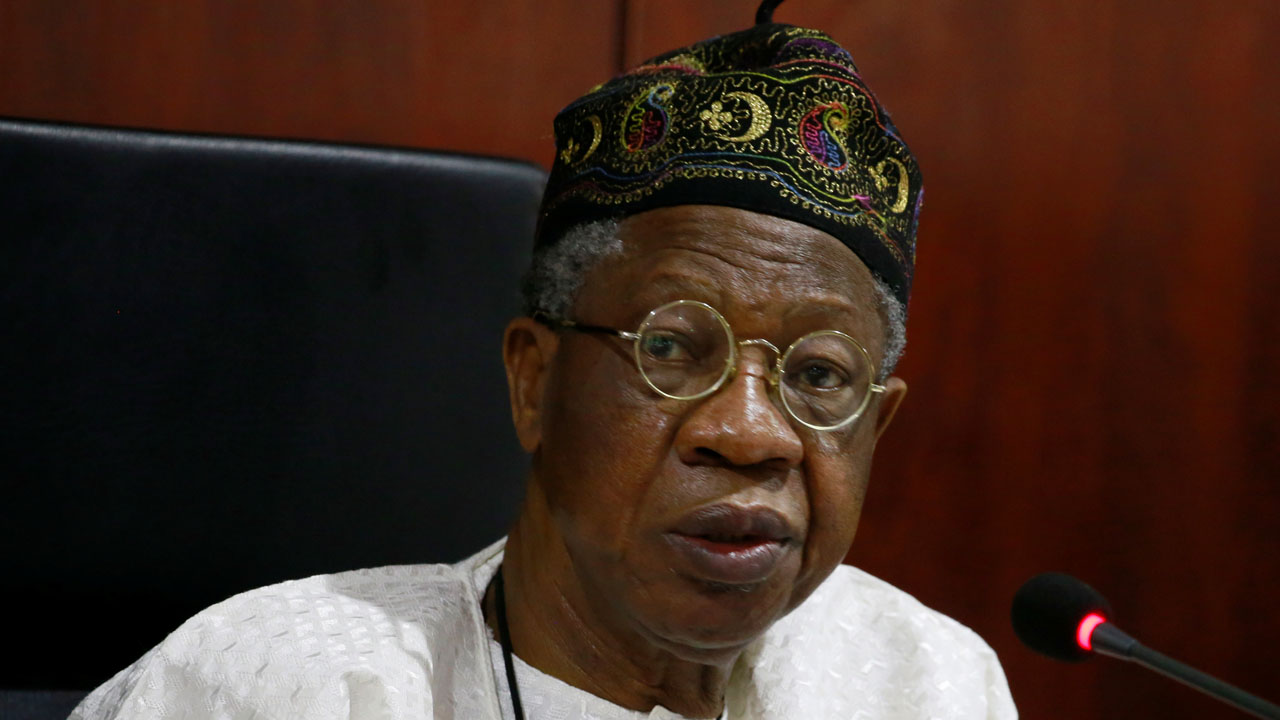
Former Minister of Information and Culture, Lai Mohammed, has reignited controversy over the 2020 #EndSARS protests, publicly stating he remains unaware of any use of live bullets by soldiers against demonstrators at the Lekki toll gate. Speaking on Channels Television’s Sunrise Daily on Monday, the former Minister maintained that the official information available to him at the time contradicts the persistent narrative of military brutality and casualties.
The Lekki toll gate incident stands as the most painful and disputed event of the nationwide demonstrations against police brutality. Despite extensive reporting and the findings of an independent judicial panel, the Federal Government, through the voice of its former chief spokesperson, continues to cast doubt on the accounts of violence.
Mohammed asserted that his position was based on high-level intelligence accessible only to the government. He claimed constant communication with the nation’s military leadership throughout the operation. “See we at the Federal Government level had access to such information no one had. And I know for a fact because I was continuously in touch with the Chief of Army Staff and the Chief of Defense Staff all throughout those operations,” he stated. Based on this access, he claimed, “I know for a fact, that soldiers were issued blank bullets when they went to Lekki toll gate. The actors are still alive today.”
The former Minister explicitly dismissed the notion that a massacre took place, arguing that the reports of high fatalities were rooted in “fake news” and “misinformation.” He suggested that the public’s eagerness to believe in a tragedy was distorting the reality of the situation. “Honestly, I am not aware that the military were used live bullets on protesters, but I know that there was no massacre at the Lekki toll gate. There was a lot of fake news, a lot of misinformation, but really the truth of the matter is that because everybody wants to believe that people are massacred,” Mohammed explained.
Concluding his highly scrutinized remarks, Mohammed issued a direct challenge to the victims and their families to come forward with irrefutable proof. “And I say this. Very simple. Tell me one person who says my daughter or my son or my ward was at the lucky toll gate, and he was shot and killed there,” he challenged. His comments, which stand in sharp contrast to the conclusions reached by the Lagos State Judicial Panel of Inquiry—which found evidence of a massacre and confirmed the use of live rounds—underscore the continuing political friction surrounding the events of October 20, 2020. The statement is likely to draw fresh criticism from civil society organizations and victims’ advocates who have long sought official acknowledgment and accountability for the violence.

