
Politics
Atiku Abubakar Tells Tiv Nation: Impunity, Not Diversity, is Nigeria’s Greatest Threat
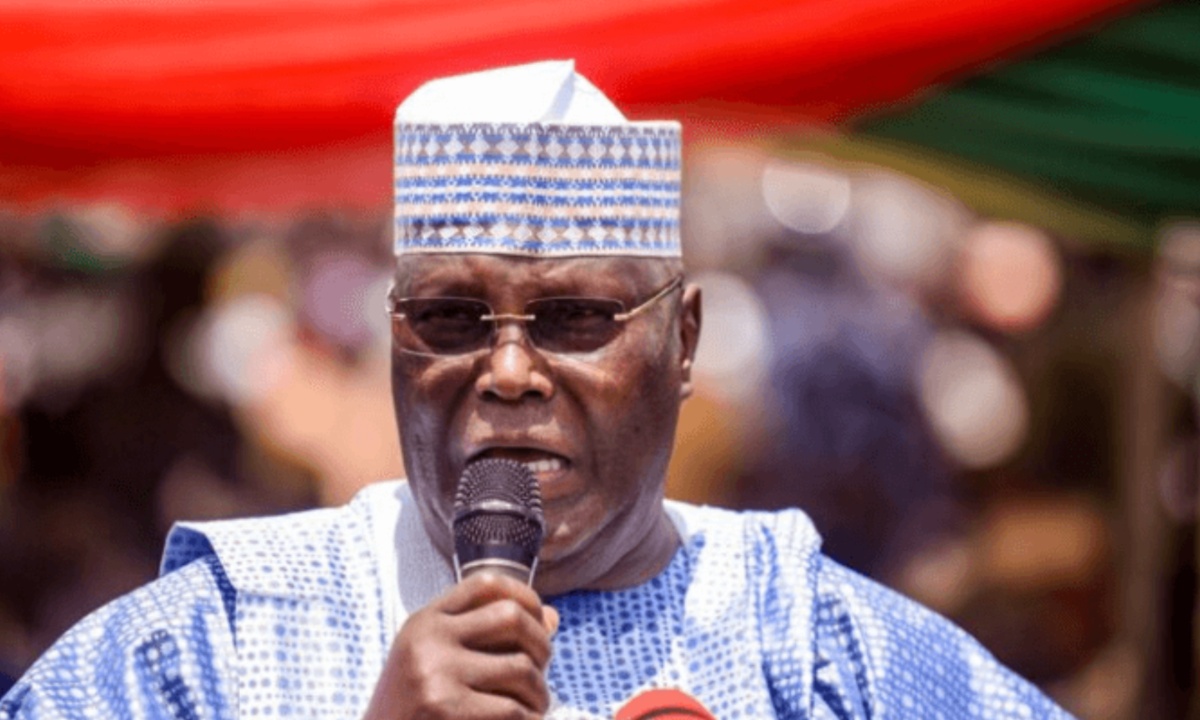
Former Vice President Atiku Abubakar has weighed in on the pressing issues of national unity and security, specifically addressing the Tiv nation on the occasion of the Tiv Cultural Day 2025. In a message aimed at easing ethnic tensions and fostering communal harmony, Abubakar asserted that the greatest danger confronting Nigeria’s survival is not its rich diversity, but the pervasive problem of impunity. His remarks come against the backdrop of persistent communal conflicts and insecurity that have plagued the region, particularly impacting the relationship between different groups who have historically coexisted.
The politician, a prominent figure in Nigerian politics, used his goodwill message to the Tiv people worldwide to articulate a strong position on the nation’s fault lines. He emphasized that the criminal actions of a few individuals must never be permitted to define or destroy the centuries-old relationship built on neighborliness, mutual respect, and shared history between various communities. By drawing a clear distinction between the actions of “criminal elements” and the inherent value of diversity, Abubakar sought to shift the national conversation away from ethnic blame towards holding perpetrators of violence accountable. This perspective directly challenges the notion that Nigeria’s complex ethnic and religious tapestry is inherently fragile or a source of conflict.
“Our diversity is not a threat; impunity is,” he stated unequivocally. This sentence encapsulates the core of his message, suggesting that if justice mechanisms were functional and effective, the country’s diverse nature would remain a source of strength, not division. The former Vice President’s comments were clearly made in the context of the incessant attacks and killings that have troubled communities in the region, leading to loss of life, displacement, and economic hardship. By identifying impunity—the lack of punishment for wrongdoing—as the root cause, he pointed to a systemic failure in governance and law enforcement that allows cycles of violence to continue unchecked.
Although the report identifies Abubakar as a chieftain of the African Democratic Congress (ADC), this appears to be a factual error, as he is widely known as a prominent leader within the Peoples Democratic Party (PDP). Regardless of his party affiliation, his message carries significant weight, especially given his long history in national politics and his Tiv chieftaincy title, “Zege Mule U Tiv” (meaning the Big Shade or Shelter of the Tiv). This title lends a layer of personal connection and authority to his address, making his words resonate more deeply with the community.
Abubakar strongly condemned the “atrocities of insecurity” witnessed across the troubled regions, and called for “decisive and sustained action” from the authorities. He stressed that only a firm and consistent response can successfully restore security to the affected areas and, crucially, begin the difficult process of rebuilding trust between aggrieved communities. Beyond the call for government action, the former Vice President also urged the Tiv nation to continue their celebrated commitment to unity, peace, and resilience, traits he acknowledged as essential for surviving and overcoming the current challenges.
He also used the opportunity of the cultural celebration to express his solidarity with the traditional leadership, stating, “I stand firmly in solidarity with His Royal Majesty, the Tor Tiv, Professor James Iorzua Ayatse, esteemed members of the Tiv Area Traditional Council, and distinguished sons and daughters of the Tiv Nation on this auspicious occasion.” This public show of support for the traditional institutions is a typical move by senior political figures, recognizing the critical role traditional rulers play in maintaining order and cohesion at the grassroots level, especially during periods of crisis. His overarching message serves as a plea for national healing and a pointed critique of the justice system’s failures, advocating for accountability as the path to preserving Nigeria’s corporate existence.

