
HEALTH
Malaria Crisis Deepens: 24.4 Million Infected in Nine Months
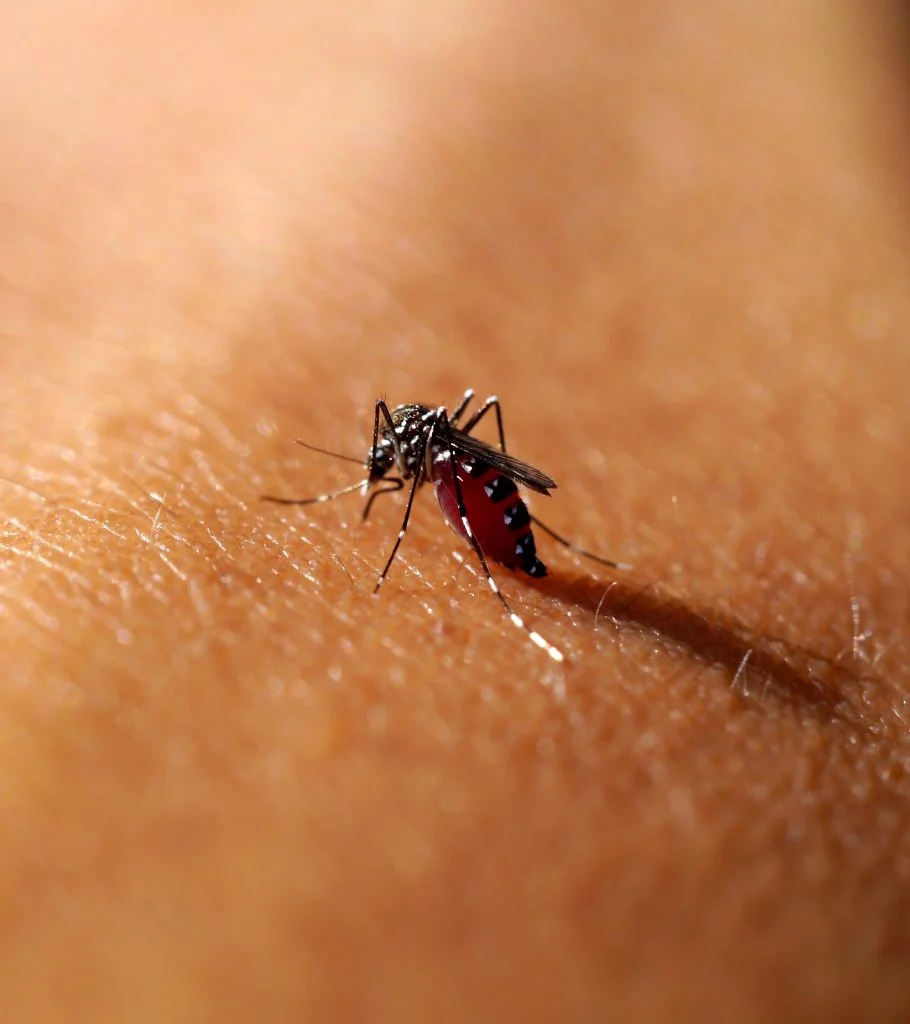
The battle against malaria in Nigeria has reached a critical juncture, with new data from the Federal Ministry of Health and Social Welfare revealing a persistent and alarming surge in the disease’s burden. According to the recently released 2025 National Health Statistics Report, a staggering 24.47 million Nigerians tested positive for malaria between January and September of this year alone. This figure is not merely a statistic; it represents a public health crisis that is escalating, underscoring Nigeria’s unenviable position as one of the world’s most malaria-endemic nations. The report meticulously documents a continuous rise in the number of individuals presenting with fever and subsequently undergoing malaria screening via both Rapid Diagnostic Tests (RDTs) and microscopy, painting a grim picture of the disease’s accelerating spread across the country.
The data illustrates a relentless upward climb in confirmed infections across the first three quarters of 2025, a trajectory that mirrors the deepening structural health challenges Nigeria continues to grapple with. Public health specialists are quick to point out that this escalating trend is a direct result of several entrenched issues, notably delayed health-seeking behaviour among the populace and chronic inadequate access to quality medical services. Compounding these systemic flaws is the climate factor: a prolonged rainy season provides ideal conditions for mosquito breeding, effectively fuelling the transmission cycle and accelerating the rate of infection nationwide. These intersecting factors—socio-economic, infrastructural, and environmental—create a perfect storm that has allowed the parasite to flourish.
A granular look at the report’s testing metrics reveals the sheer scale of the screening efforts and the corresponding increase in positivity rates. In the first quarter, spanning January to March, 10.5 million Nigerians were tested for malaria. This volume saw a modest but significant increase to 11.4 million tests conducted between April and June. The third quarter, from July to September, marked the peak of the period reviewed, with 12.8 million tests administered. Cumulatively, 34.8 million diagnostic tests were conducted within that nine-month window, demonstrating the vast diagnostic workload on the nation’s healthcare facilities.
The positive cases followed this surge in testing with disturbing consistency. The first quarter recorded 7.3 million positive results. This figure then rose to 7.8 million in the second quarter, before soaring to 9.3 million in the third quarter. The combined total of 24.47 million confirmed malaria infections serves as a stark metric of the disease’s pervasive grip on the Nigerian population. It indicates that for every three individuals tested, roughly two received a positive diagnosis, highlighting a dangerously high transmission rate.
Mirroring the rising caseload is the volume of treatment administered, a metric that underscores the immense pressure on the healthcare system and the logistical challenge of drug distribution. The report indicates that 7.1 million Nigerians received Artemisinin based Combination Therapy (ACT), the standard first-line treatment, during the January to March period. This number increased to 7.6 million who accessed ACT treatment from April to June. The third quarter saw the highest number of treatments, with 9 million people receiving the crucial medication. In total, 23.85 million Nigerians were treated with ACT over the nine months, a figure marginally lower than the confirmed cases, which suggests potential gaps in treatment access or adherence, or the inclusion of clinically diagnosed (but not lab-confirmed) cases.
Addressing the findings at the 2025 Joint Annual Review in Abuja, the Minister of State for Health and Social Welfare, Dr. Iziaq Salako, acknowledged the immense challenge. While noting that the National Malaria Eradication Programme has made “significant progress,” his tone stressed the reality that this progress is insufficient to reverse the current trend. Dr. Salako emphasized the critical need for “intensified interventions” to curb transmission rates and substantially strengthen nationwide malaria control efforts. His statement serves as a call to action, demanding a pivot from management to an aggressive campaign for eradication.
The data presented in the 2025 report should serve as a wake-up call, requiring a fundamental re-evaluation of Nigeria’s public health strategy. The persistent annual increase in confirmed cases demonstrates that current preventative and control measures are struggling to keep pace with the parasite’s spread. The sheer numbers—24.47 million infections and 23.85 million treatments—demand not only sustained funding but innovative approaches to tackle the underlying issues of infrastructure, community engagement, and environmental management. Ultimately, conquering the malaria crisis requires breaking the cycle of delayed care and improving access to quality diagnostics and treatment, particularly in rural and vulnerable communities where the disease hits hardest. The country’s aspiration for health security hinges on its ability to subdue this relentless and widespread parasitic threat.