
NEWS
Natasha’s Trial for Cybercrime Against Akpabio, Bello Begins.
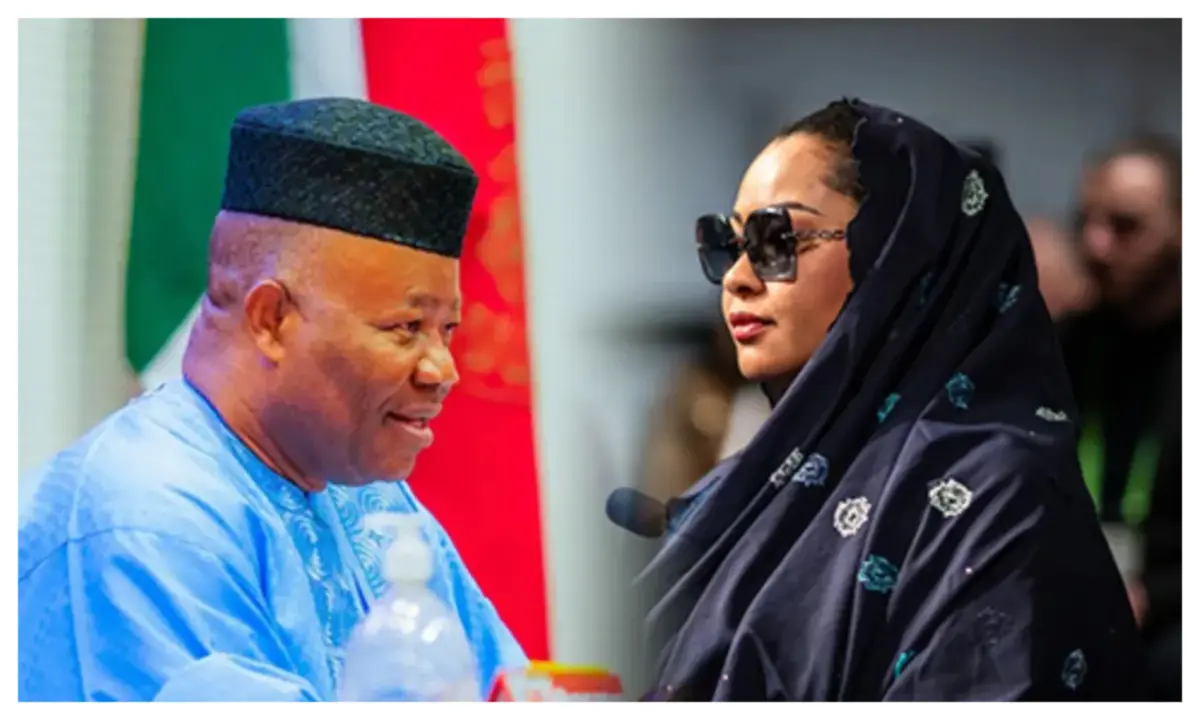
The highly anticipated trial of the suspended Senator representing Kogi Central, Natasha Akpoti-Uduaghan, on a six-count criminal charge of alleged cybercrime is set to begin on Monday, September 22, 2025. The high-profile case, which is being coordinated by the Office of the Attorney General of the Federation and Minister of Justice, pits the outspoken lawmaker against two of the nation’s most powerful political figures: Senate President Godswill Akpabio and former Governor of Kogi State, Yahaya Bello. The trial, presided over by Justice Mohammed Umar at the Federal High Court in Abuja, is expected to attract significant attention due to its political nature and the legal precedent it may set for freedom of speech in Nigeria.
The genesis of the trial lies in a series of public statements made by Senator Akpoti-Uduaghan earlier this year. According to Dependable NG, the charges are rooted in a viral video from an April 4, 2025 gathering in Ihima, Kogi State, and a television interview in which the senator alleged that Akpabio had instructed Bello to ensure her assassination was carried out in Kogi rather than Abuja. The charges, marked FHC/ABJ/CR/195/2025, are centered on provisions of the Cybercrimes (Prohibition, Prevention, etc.) (Amendment) Act, 2024. These charges claim that her statements were false and injurious, transmitted via electronic means to malign, incite, and endanger lives while breaching public order. Count one of the charge specifically accuses her of causing a communication to be transmitted that “contained a threat that could harm the reputation of Senator Godswill Obot Akpabio.”
The use of the Cybercrimes Act in a case involving political statements has sparked considerable debate among legal experts and human rights advocates. While the law was enacted to combat online fraud, hacking, and cyberterrorism, its broad language, particularly in the amended 2024 version, has drawn sharp criticism. According to legal analysis, the act’s vague definitions of “false” and “misleading” information leave it open to misuse by powerful individuals and state authorities to stifle dissent and criticism. This trial, therefore, is being viewed as a critical test of whether the law can be weaponized against political opponents, potentially eroding the constitutionally guaranteed right to freedom of expression. The fact that the Attorney General of the Federation is leading the prosecution, with the Director of Public Prosecution, Mohammed Babadoko Abubakar, leading the team, signifies the federal government’s high-level interest in the case.
The trial is unfolding against a backdrop of a protracted political rivalry. Natasha Akpoti-Uduaghan has had a long-standing and well-documented feud with the former Kogi State Governor, Yahaya Bello, with her political ambitions often clashing with his administration. Her relationship with Senate President Akpabio has also been strained. The senator was suspended from the Senate six months ago for alleged “gross misconduct” and a “disregard for the Senate Standing Orders.” While her supporters have linked the suspension to her allegations of sexual harassment against Akpabio, the Senate has vehemently denied this, maintaining that the suspension was purely disciplinary and a consequence of her unruly behavior during a plenary session. The confluence of these events has created a politically charged atmosphere surrounding the trial, with Akpabio and Bello both listed as key witnesses for the prosecution.
The senator, who was arraigned on June 30, 2025, pleaded not guilty to all six counts. Following her not guilty plea and with no objection from the prosecution, Justice Mohammed Umar admitted her to bail on self-recognizance, a sign of her standing and a testament to the arguments made by her defense counsel. Professor Roland Otaru, SAN, leading her defense, had argued that his client was not a flight risk and that the country’s constitution presumes her innocent until proven guilty. As the trial commences, the court will be a focal point for the delicate balance between the right to free speech and the prohibition of harmful communication in the digital age. The outcome will not only determine the fate of a sitting senator but may also set a crucial legal precedent for the limits of political discourse in Nigeria’s evolving democratic landscape.

